

Day Two – Saturday
Leadership Diary with Oklahoma State University students

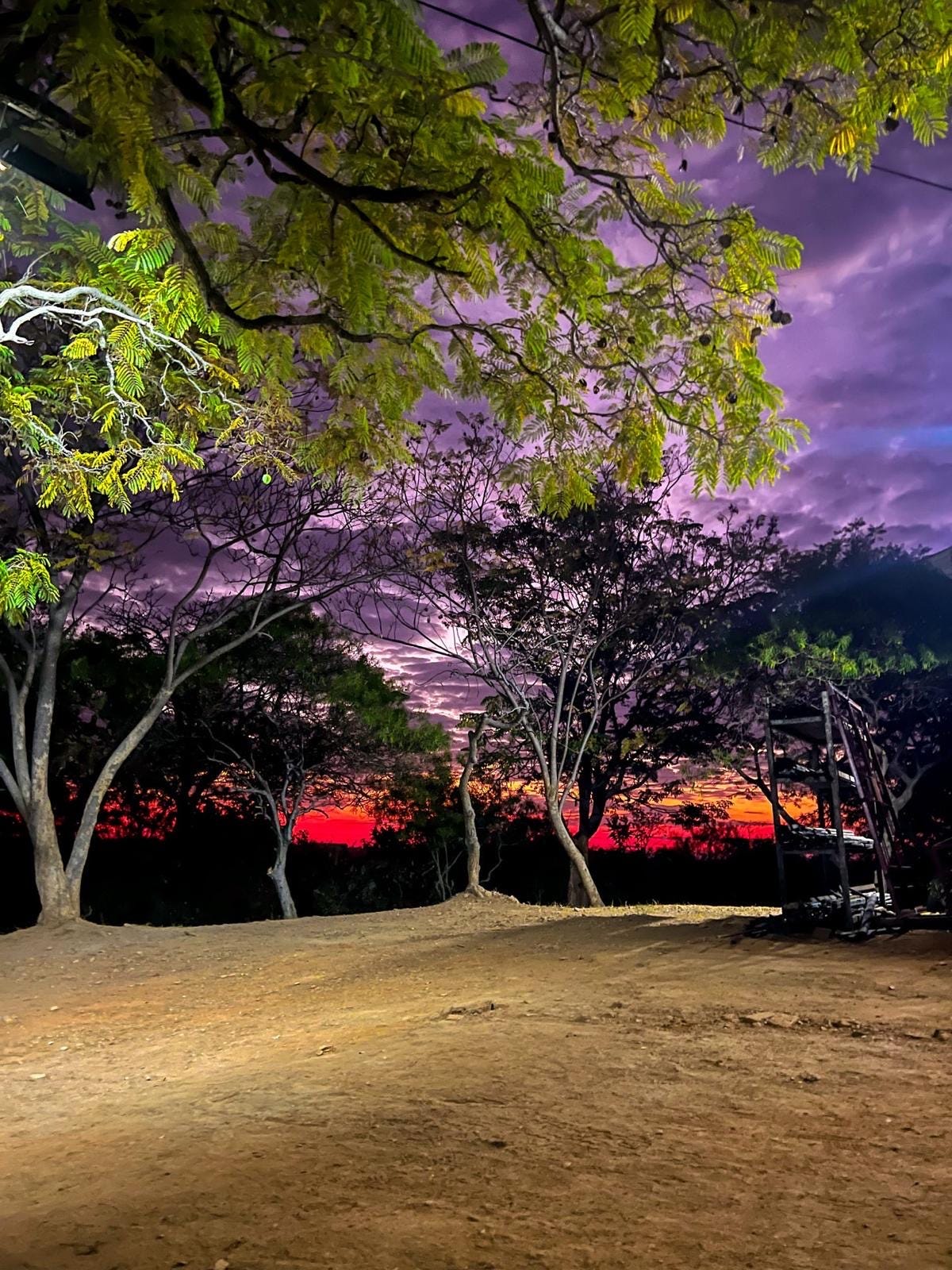
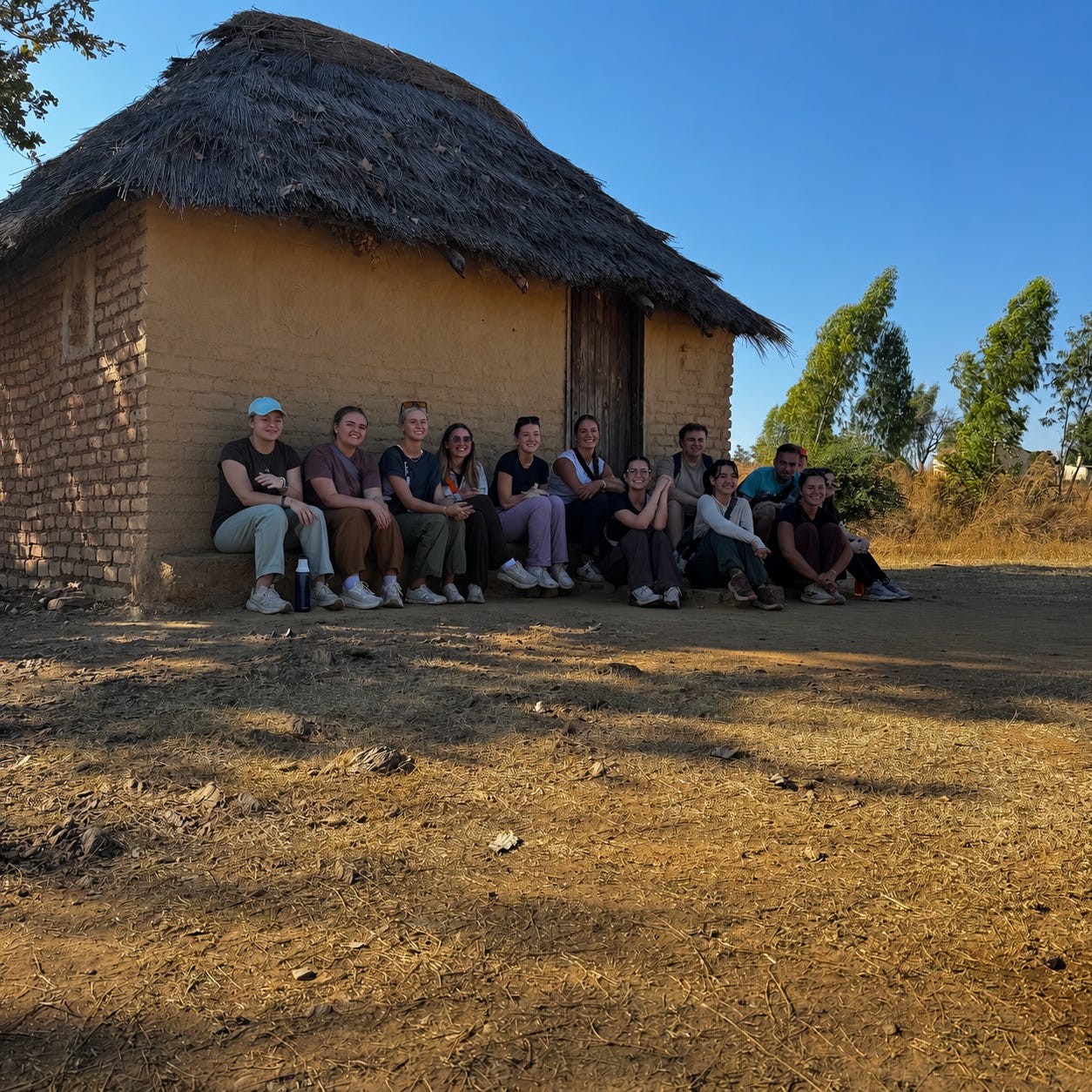
We woke to another breathtaking African sunrise. Our neighbor’s cattle were already grazing in the nearby fields, while the gentle cooing of doves and a chorus of birdsong filled the morning air. The day held great anticipation as we prepared to visit four different homesteads, each representing a unique family structure within the village.
But life in a rural village often reminds us that the best lessons are rarely the ones we plan.
Just before breakfast, four community members arrived at the homestead to personally thank the Tererai Trent International Foundation for drilling a new borehole for their community. They shared that they were about to begin a community meeting to discuss the management of the new water source and warmly invited us to attend.
I immediately embraced the opportunity. I knew this would offer our Oklahoma State University students something no classroom could teach—a firsthand look at community leadership, shared governance, and how decisions are made around one of life’s most precious resources: water.
The students eagerly accepted the invitation.
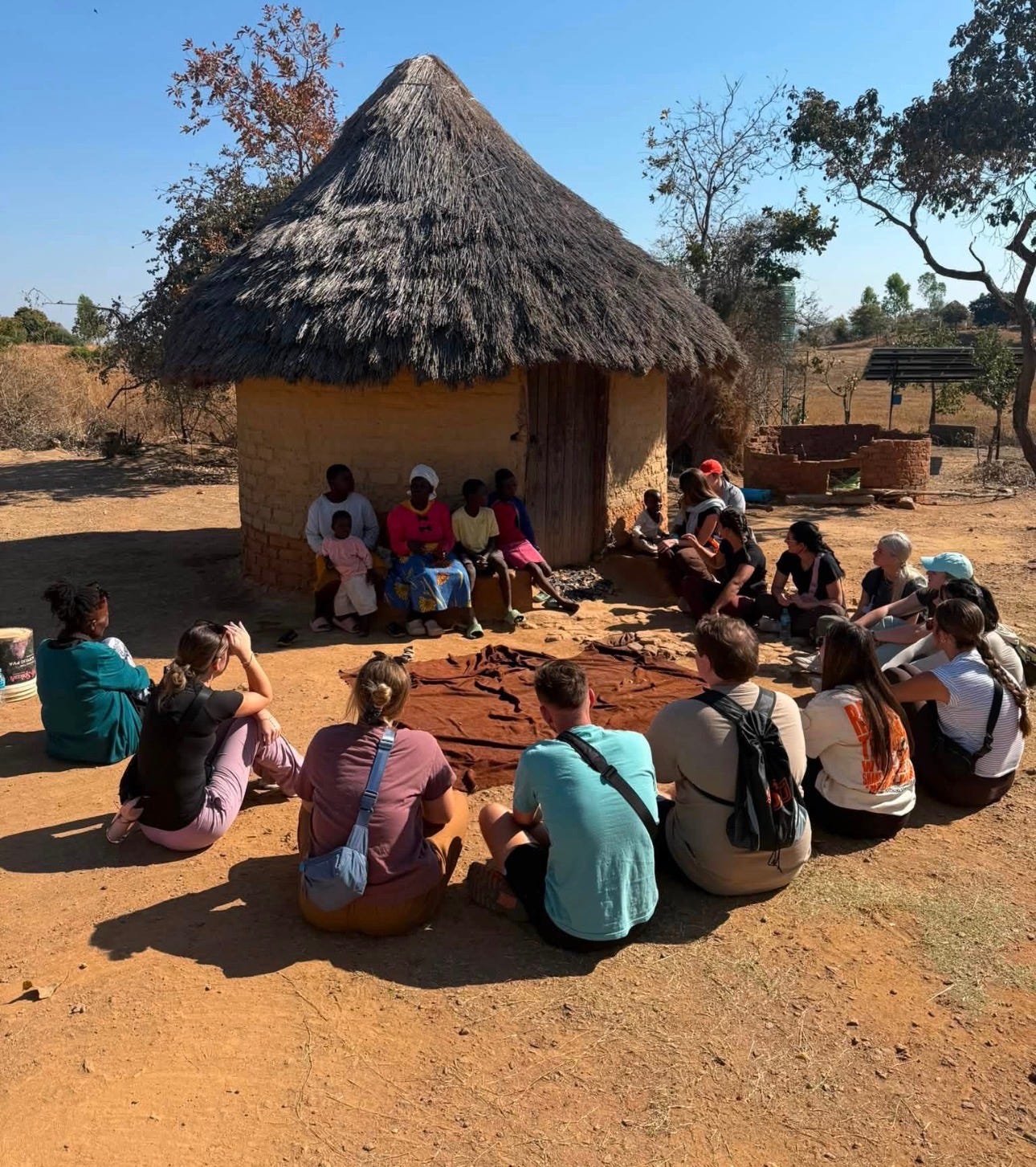
After breakfast, we walked together to the meeting place. More than twenty women and two men were already gathered beneath the shade, patiently waiting for us.
As we approached, the community welcomed the students with a beautiful song:
“Imi mauya, mauya, mauya…”
“You have come. We welcome you. We welcome you.”
The warmth of that welcome immediately dissolved any barriers between visitors and hosts.
Once introductions were complete, the women began sharing what access to clean water has meant for their families. With the new borehole, many who once walked four kilometers each day to collect water from the river will no longer have to make that exhausting journey. Beginning Monday, clean water will be available within their own community—a transformation that restores not only health and dignity, but also precious hours that can now be invested in their families, farms, and livelihoods.
The community proudly showed us the borehole and explained how they had established a seven-member water management committee responsible for maintaining the system and ensuring fair access for everyone.
One observation sparked an important leadership conversation.
Although women are the primary users and managers of household water, only two of the seven committee members were women.
Our OSU students immediately asked why.
The women answered with remarkable honesty.
Many explained that although they would like to serve in leadership roles, limited literacy had often left them doubting their ability to lead. Their responses revealed how education shapes confidence, and how confidence, in turn, influences who feels empowered to step forward as a leader.
It was a powerful reminder that leadership opportunities are often determined long before leadership positions become available.
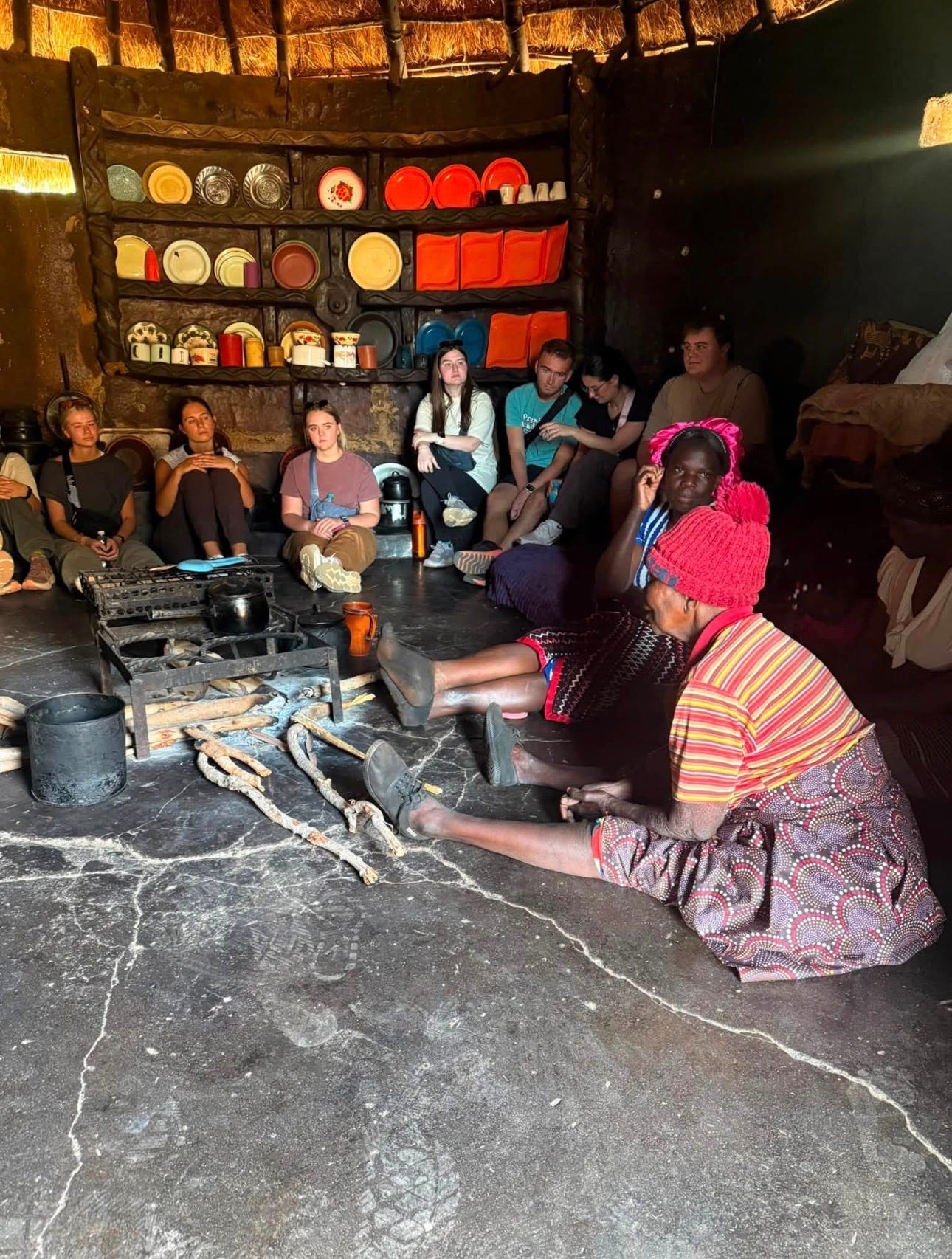
Following the meeting, we continued to the four planned homesteads: a widow-headed household, a male- and female-headed household, a single female-headed household, and a polygamous household led by one husband and five co-wives.
Each family welcomed the students with extraordinary generosity.
They opened not only their homes but also their hearts, sharing their daily realities, their struggles, their hopes, and the ways they lead their families and communities.
It was deeply moving to watch the students engage with such curiosity and respect. Their questions were thoughtful, reflective, and grounded in a genuine desire to understand rather than judge. Leadership, they were discovering, looks different across cultures—but its foundation is always built on listening.
As the African sun began to set, we gathered once again around the fire for our evening reflection circle.
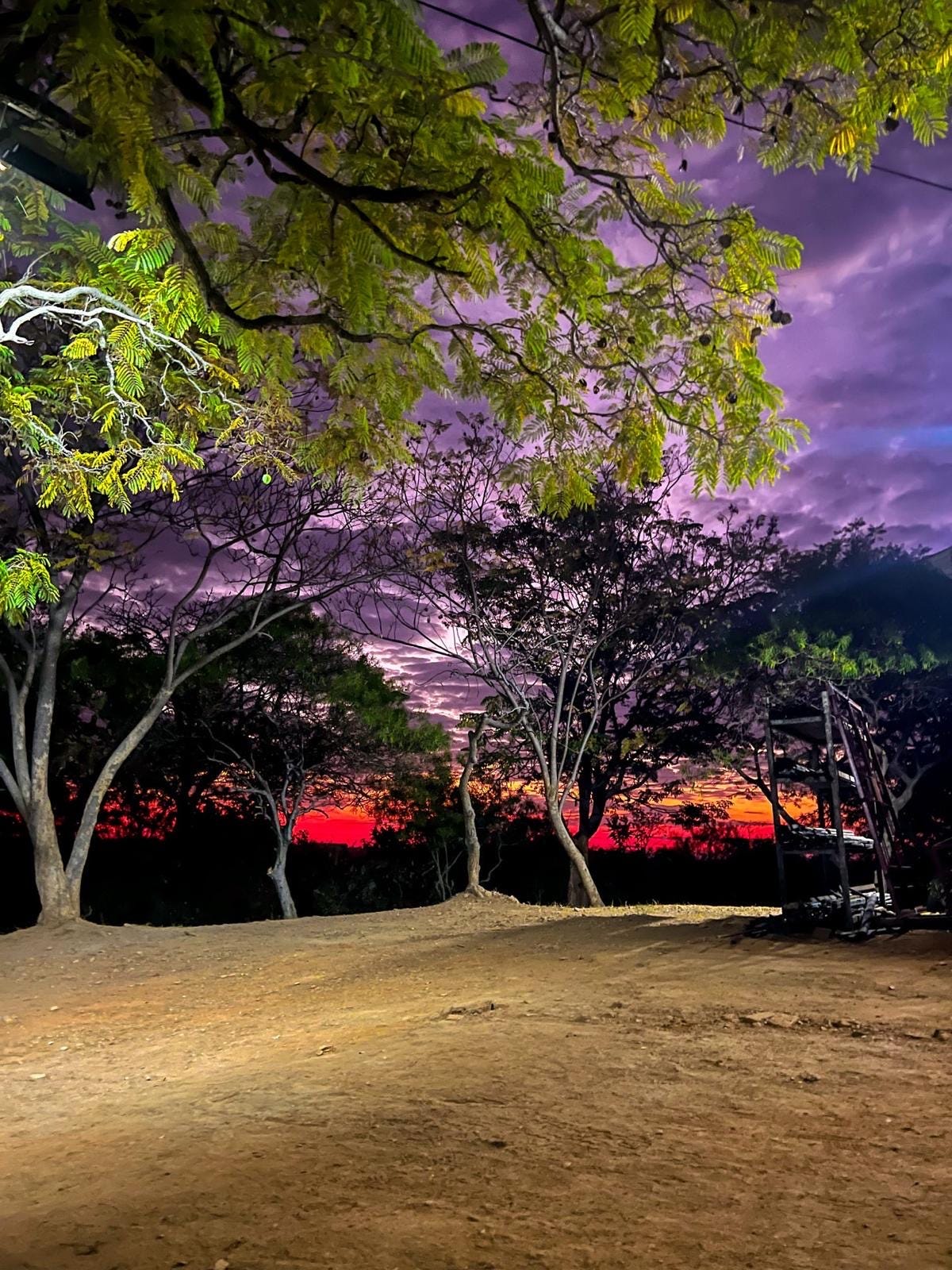
The conversation was profound.
Overwhelmingly, the students shared that they had witnessed Ubuntu not simply as a concept, but as a lived reality.
They described seeing a community bound together by shared purpose, shared responsibility, and shared vulnerability—a place where people thrive because no one is expected to carry life’s burdens alone.
Several students reflected that this sense of collective belonging stood in sharp contrast to the individualism they often experience back home in the United States.
To close the evening, I asked each student to share just one word that captured what remained with them after this remarkable day.
One by one they responded:
Humbled
Eye-opening
Shifted — “There seems to be so much joy in having less.”
Grateful
Community Pride
Perspective
Tradition
Vulnerability as Strength
Honored to be Welcomed
Conflicted — “By the depth of Ubuntu, resilience, and the lack of material possessions.”
Steadfast Leadership
As I listened, I realized something beautiful had begun to happen.
The village was no longer simply a place they were visiting.
It had become a classroom.
And its greatest teachers were the people.
Tomorrow, we look forward to Day Three as we worship at my late mother’s church—the Methodist Church in Zvipani Township. It will offer yet another opportunity to explore leadership through a different lens: faith, community, and service.
I am excited for our students to observe both the similarities and the differences between leadership in the church, the community’s water management committee, and the diverse households we visited today.
Because every community has its own way of cultivating leaders.
The privilege is learning to recognize them.
222168Such beautiful personal testimony!!!! Ron
I am certain what the students' are experiencing is tremendously life changing ...